
Monster engines are feats of mechanical engineering, designed to deliver immense power, torque, and durability. These high-performance machines are the heart of monster trucks, dragsters, and other extreme vehicles built for speed and strength. What sets a monster engine apart from a standard vehicle engine is not just its size but its capacity to withstand intense stress, deliver explosive power, and function performance engine parts flawlessly under the most demanding conditions. Every component is engineered for maximum output, making the engine a masterpiece of performance-focused design.
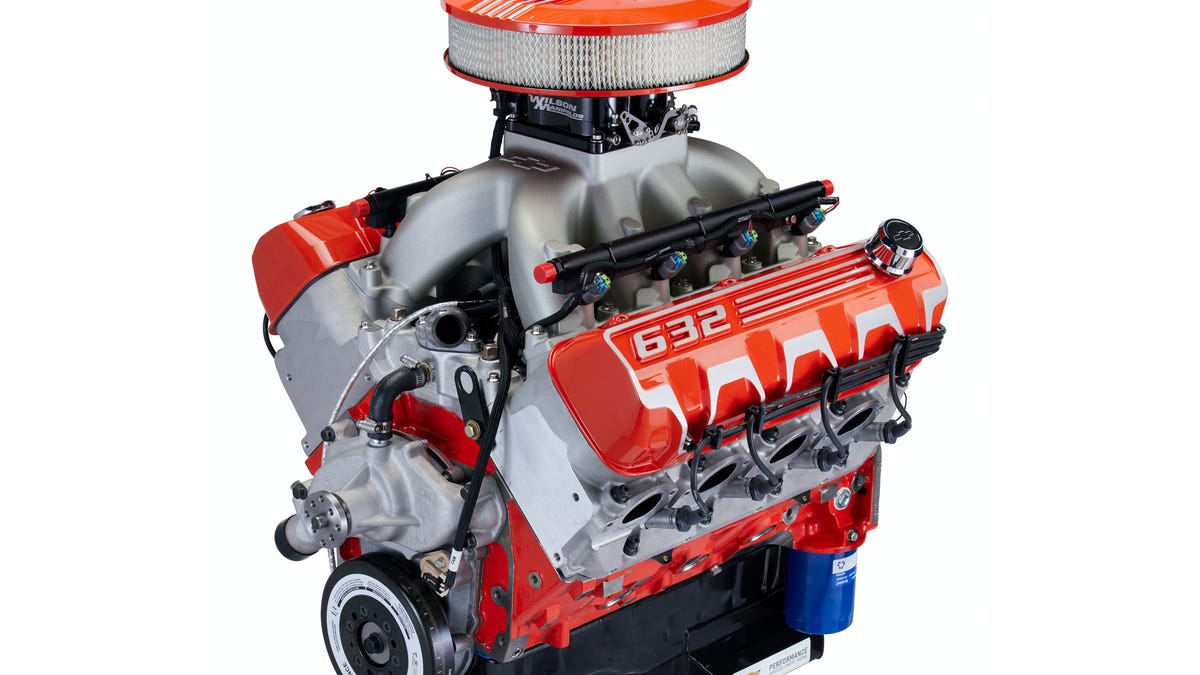
At the core of a monster engine lies the engine block, usually made from reinforced cast iron or aluminum alloys to handle the extreme combustion pressure. These blocks are built with precision, as even the smallest flaw can lead to catastrophic failure when operating at full power. Inside the block, oversized pistons and rods move in perfect harmony, converting fuel and air into raw force. These parts must be incredibly strong, often forged from billet steel or other heavy-duty metals, to survive the extreme heat and force of each combustion cycle.
The crankshaft, often one of the heaviest parts of the engine, plays a crucial role in converting the vertical motion of the pistons into the rotational power needed to drive the wheels. Precision balancing is essential here because any imbalance at the high RPMs typical in monster engines can cause severe damage. High-performance crankshafts are designed to resist torsional flex, ensuring stability and strength during operation.
Another essential component is the camshaft, responsible for controlling the timing of the engine’s valves. In a monster engine, the camshaft profile is customized for optimal valve lift and duration to maximize airflow and power. Combined with heavy-duty valve springs and performance rocker arms, the valve train must function flawlessly at high speeds without failure.
Air and fuel delivery systems are also specialized in monster engines. Massive carburetors or high-flow fuel injectors ensure that the engine gets the right mixture of air and fuel at the right time. Forced induction systems like superchargers or turbochargers are often added to increase the air intake, delivering more oxygen for combustion and significantly boosting horsepower. These systems must be tuned carefully to prevent engine knock or overheating.
Cooling systems are equally important, as monster engines generate extreme heat during operation. Oversized radiators, high-flow water pumps, and oil coolers are common features that help maintain safe operating temperatures. Without these systems functioning correctly, the engine could overheat quickly and suffer major damage.
Exhaust systems are designed not only to expel gases efficiently but to enhance engine performance through tuned headers and pipes. The sound produced is often a thunderous roar, reflecting the sheer power being generated with every cycle.
Altogether, the parts of a monster engine come together to create a finely tuned machine capable of astonishing feats. These engines represent the peak of mechanical engineering, where every detail is optimized for speed, power, and durability. Understanding these components highlights just how much innovation and craftsmanship go into building a true monster on wheels.